
National Instrument
Drum
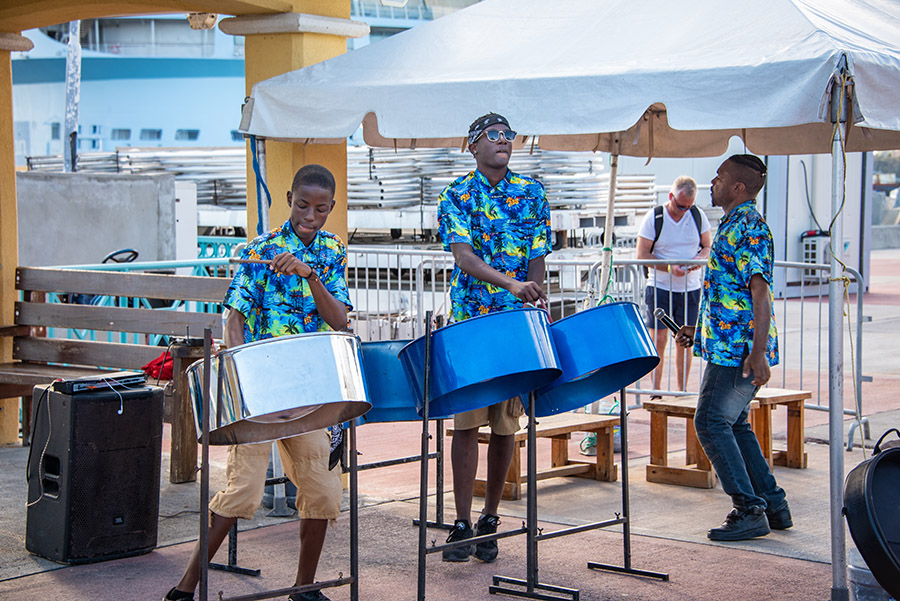
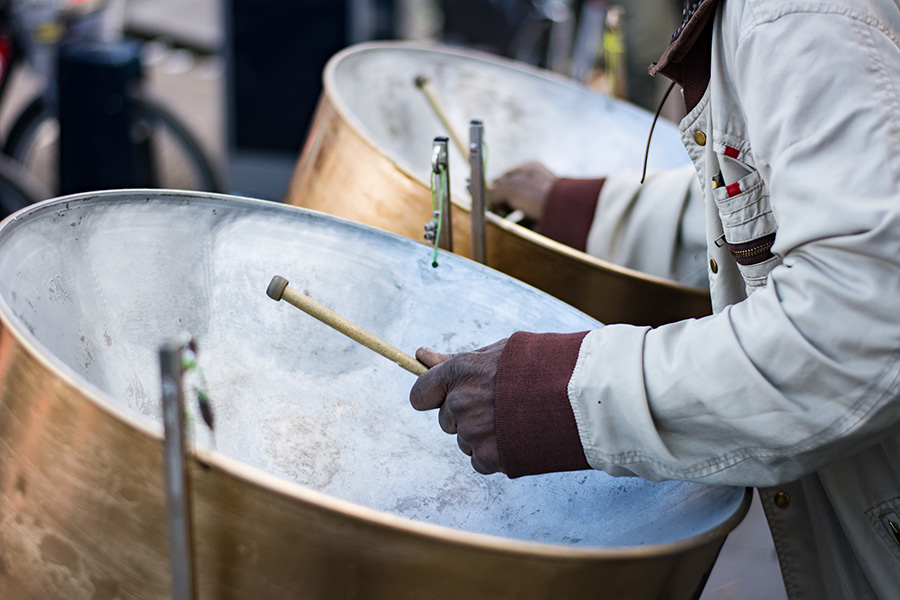
While steelpan has found a home across the Caribbean, in Grenada, the heartbeat of traditional music lies in the drum—specifically through the Big Drum Nation Dance, a powerful expression of identity, ancestry, and communal spirit.
Drumming in Grenada traces back to the enslaved Africans who were brought to the island during colonial times. Though colonial powers often attempted to suppress drumming due to its role in communication and resistance, the African descendants in Grenada preserved these rhythms through oral tradition, ceremony, and community gatherings. The Big Drum became a central element of cultural life, especially in rural parishes and on Carriacou, where ancestral ties are strongest.
The Big Drum Nation Dance is a traditional performance that blends African drumming, chanting, and dancing to honor the various African nations from which enslaved people in Grenada descended—such as the Manding, Temne, and Yoruba. Each “nation” has its own unique rhythms, songs, and movements. The event is both celebratory and sacred, often performed at festivals, weddings, or to mark the passing of elders.
The tambourine, another key instrument in Grenadian folk music, complements these rhythms and is used widely in religious and spiritual gatherings, especially in Shango and Spiritual Baptist practices.
Today, groups like the Mt. Royal Cultural Group and Belmont Folk Group continue to preserve these drumming traditions. Events like the Carriacou Maroon & String Band Music Festival keep the rhythms alive, ensuring that the younger generation stays connected to this powerful legacy.
In Grenada, the drum is more than music—it is memory, history, and resistance. Passed down through generations, it remains a living symbol of the island’s African heritage and a celebration of the enduring strength of its people.