

Our Food
Creole Food
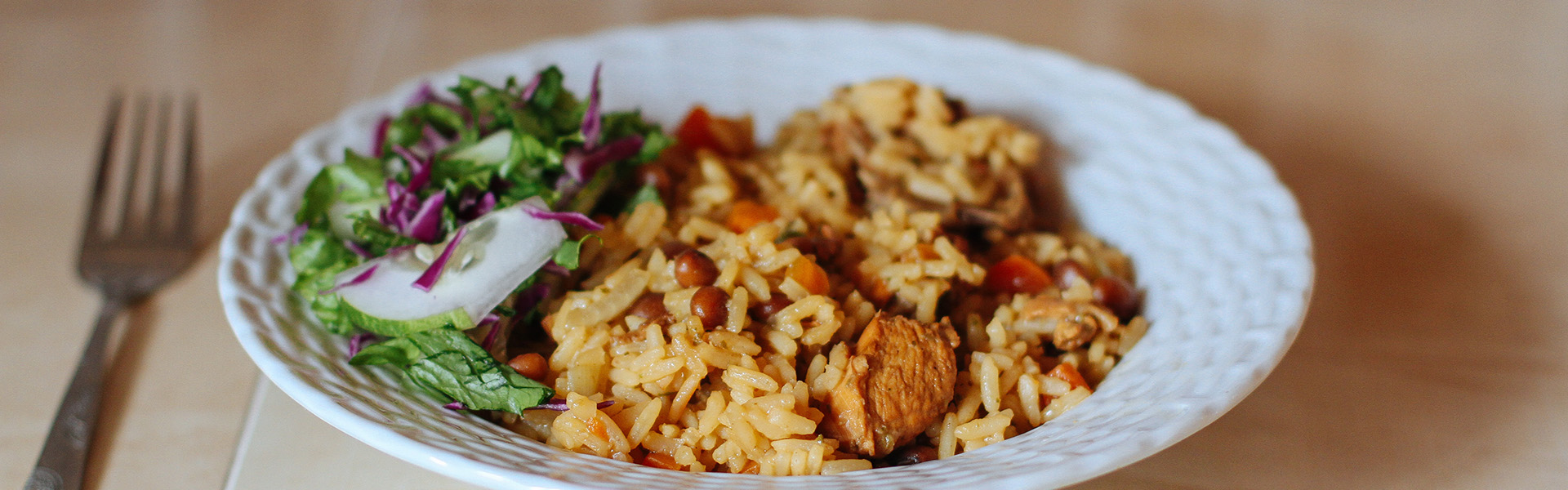
Grenadian Creole food is deeply rooted in the island’s colonial and African heritage, reflecting a rich blend of cooking traditions brought over by enslaved Africans, French settlers, and later British colonial rulers. The West African influence is most evident in the use of bold spices, coconut milk, ground provisions, and one-pot meals that have stood the test of time.
The national dish, oil down, is the pride of Grenadian cuisine. It’s a hearty stew made with breadfruit, salted meat or fish, coconut milk, turmeric, dumplings, and callaloo, all simmered together in a single pot. This communal-style dish is a symbol of unity and shared heritage, often prepared for gatherings and national celebrations. Other staples include stewed lambie (conch), ground provision with saltfish, curry goat, and Creole-style fish. Callaloo soup, packed with leafy greens, spices, and meat or crab, is another favorite, typically enjoyed on Sundays.
Grenadian cooking also features a wide range of local herbs and spices, including the country’s world-renowned nutmeg, often referred to as “the Spice Isle’s gold.” The generous use of fresh seasonings gives every dish a rich aroma and a distinct, home-cooked flavor that’s unmistakably Grenadian.
Indian Food
Unlike Trinidad, Grenada did not have a large influx of indentured Indian laborers after emancipation, and as such, Indian food has not had the same extensive influence on the national cuisine. However, thanks to regional influence and modern migration, curry dishes have become quite popular on the island. Curried goat, chicken, and shrimp often grace the tables at family gatherings and holiday feasts.
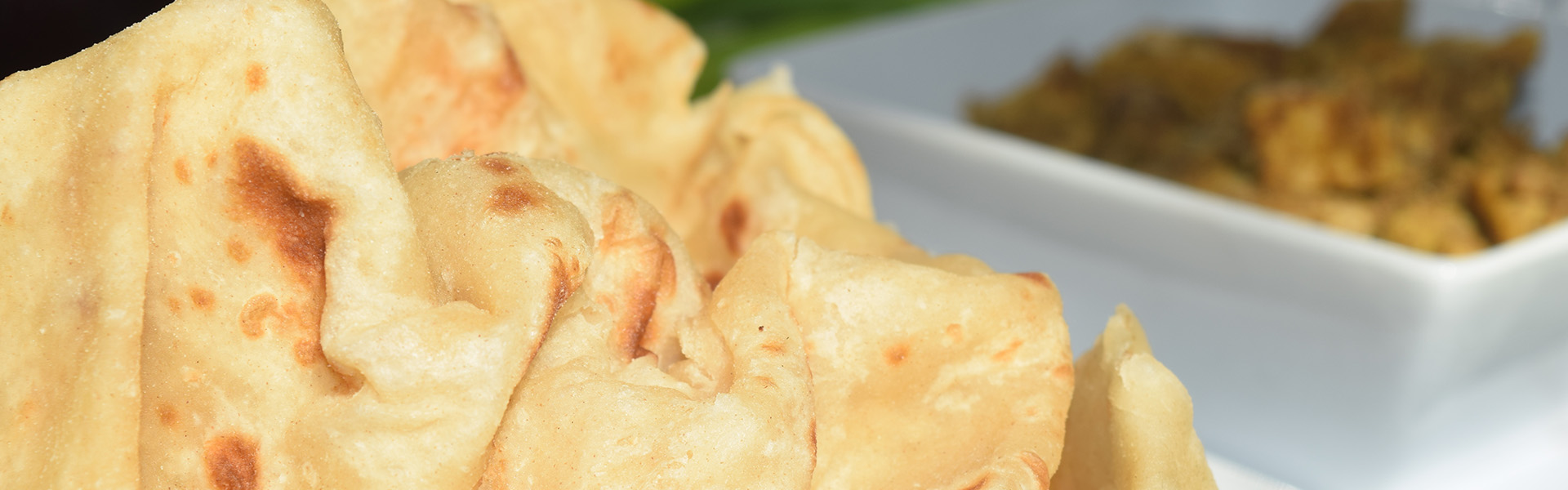
Roti has grown in popularity, particularly in the town of St. George’s and among street food vendors. Today, it’s not uncommon to find dhalpuri or paratha filled with curried chickpeas, potatoes, or meat, sold as a quick and filling meal. Chutneys, while not traditionally Grenadian, can sometimes be found as accompaniments to fried snacks or as creative additions to local sauces.
Still, Indian cuisine in Grenada is more of a modern culinary presence rather than a historical one, often served in specialty restaurants or fused with Creole flavors in contemporary dishes.
Chinese Food
Chinese migrants began arriving in Grenada in the 19th century as part of British colonial expansion. Like in other parts of the Caribbean, they transitioned from agriculture into commerce, with many running small shops, groceries, and later restaurants. Over time, their influence grew, particularly in the culinary sector.
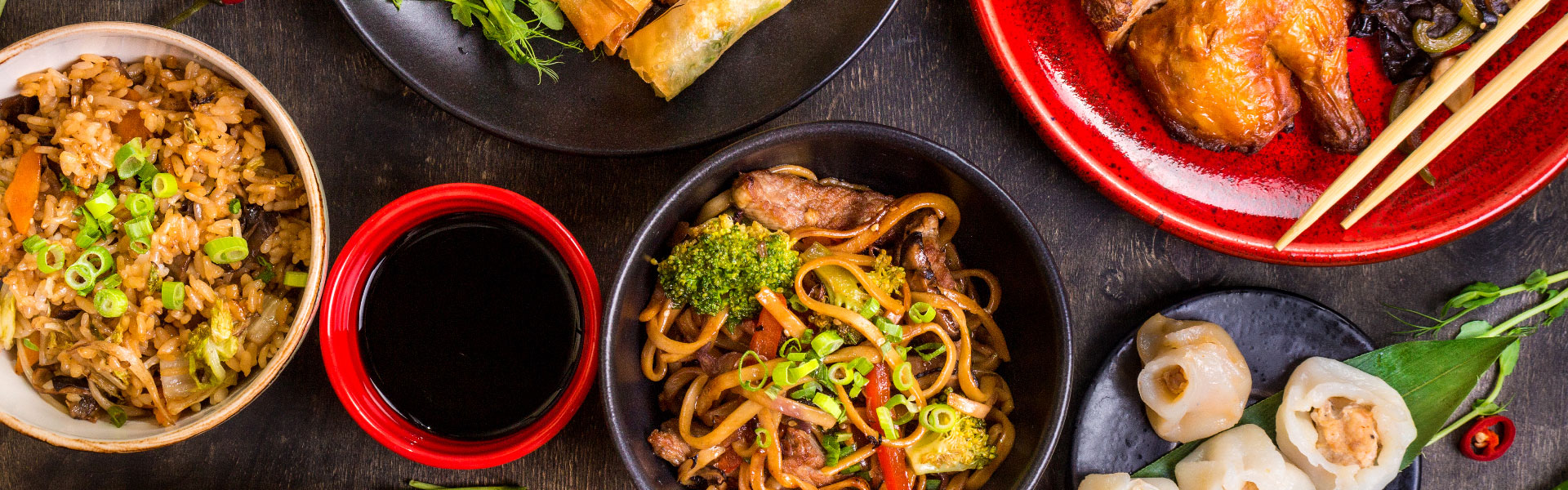
While not considered as deeply rooted as Creole dishes, Chinese food in Grenada has found a firm place in the hearts (and stomachs) of the population. Local Chinese restaurants are beloved for their affordable meals and generous servings. Dishes like chow mein, sweet and sour chicken, fried rice, and spring rolls are common favorites, especially for takeout.
Though Chinese food is widely available and enjoyed, it is not generally seen as a part of traditional Grenadian cuisine in the same way oil down or stewed meats are. However, it remains an appreciated and essential part of Grenada’s multicultural food scene.
Street Food
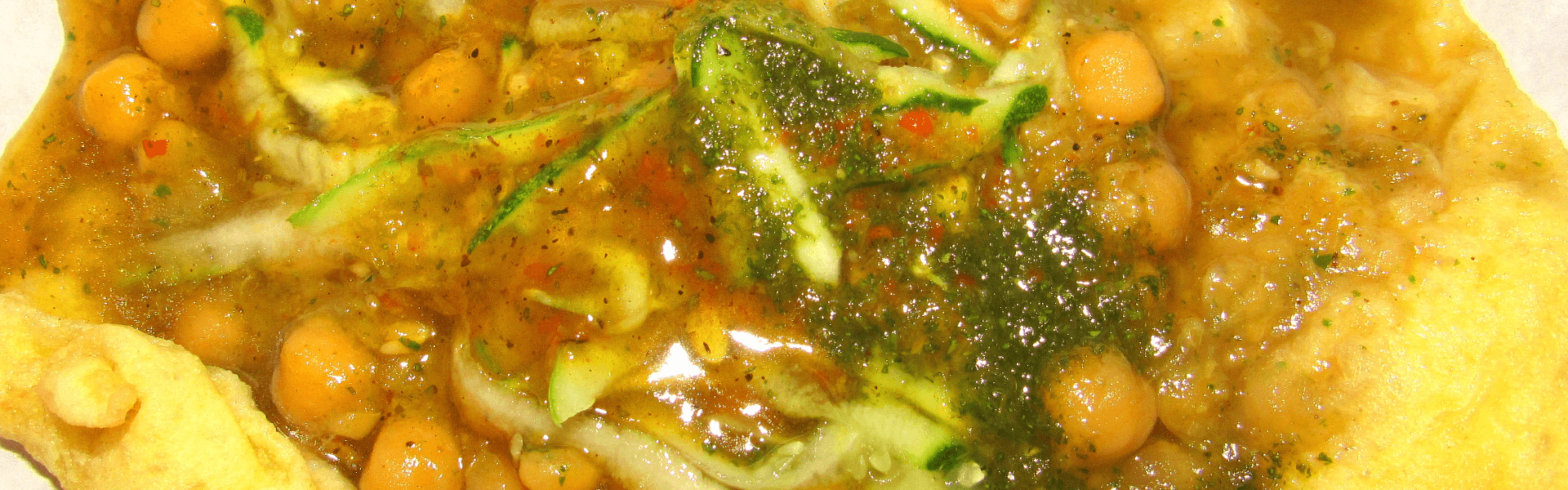
Grenadian street food offers a window into the island’s rich culinary culture. With a focus on fresh ingredients and bold flavors, vendors across the country serve up quick, hearty, and affordable meals to locals and visitors alike.
Popular street food items include:
Oil down (especially at festivals and “cook-up” events)
Fried bakes and saltfish
Roti (chicken, goat, veggie)
Fried jackfish or sprats
Corn soup
BBQ chicken and pork
Souse
Tamarind balls and nutmeg ice cream
Currant rolls, tarts, and Guava cheese
Fried plantains and fish cakes
You’ll also find local beverages such as mauby, sorrel, ginger beer, and fresh coconut water sold by street vendors.
Grenadian street food reflects the soul of the nation: simple, flavorful, and always served with a smile